
Retirement Planning
Retirement planning works to help coordinate your savings strategy, investment approach, tax planning, Social Security timing, and estate considerations into one plan designed for the life you have imagined. At Confluence Financial Partners, our advisors work with families at every age and career stage, because retirement planning is part of everyone’s financial plan, whether you are decades away or already making the transition.

why retirement planning
Retirement Planning Starts Long Before Retirement
Retirement planning is not reserved for the years just before you stop working. The habits and account choices you make early in your career shape your options decades later, and the transition from building wealth to living from it is one of the most significant financial shifts a family can navigate. Wherever you are on that path, the question is the same: do the strategies you are using today still serve the retirement you have in mind?

A Comprehensive Approach to Retirement Planning
A coordinated retirement strategy can help align your savings, distributions, tax efficiency, and legacy goals into a plan that works together over time. When these elements are designed as one system, retirement income may become more sustainable and adaptable. Decisions made early, savings rates, account types, Roth contributions, can compound for decades, and families entering retirement without a distribution strategy risk drawing down assets faster than necessary or missing tax-planning windows that close at retirement.

How we approach retirement planning.
We design strategies around the stage you are in. In the accumulation years, that means savings rates, account selection, and Roth contribution decisions that build flexibility for later. Approaching and entering retirement, we design distribution strategies around your specific spending needs and tax profile, coordinating Roth conversions, required minimum distributions, and capital gains harvesting to help manage your tax exposure at every stage. The result is income by design, not by default.
Retirement planning at Confluence is coordinated across your full financial picture, accounting for estate goals, insurance coverage, and Social Security timing simultaneously. Plans evolve as health, markets, and family circumstances change, and our team strives to monitor every element so that adjustments can be made when they may be needed most.

our process

What working with our wealth planning team looks like
Retirement readiness assessment
We begin by understanding your income needs, asset base, and timeline.
Distribution strategy design
We build a sustainable withdrawal plan coordinated with your tax situation.
Social Security and benefit optimization
We analyze timing decisions that can affect lifetime income.
Implementation
We coordinate execution across investment accounts, insurance, and estate documents.
Ongoing monitoring
Regular reviews to help keep your plan aligned with your evolving life.
meet the team
Connect with a Wealth Manager
Our wealth managers are here to help guide the retirement planning conversation.

Zachery Saunders AAMS®, CEPA®, CFP®, Ed.D.
Wealth Manager

Melissa Pirosko CFP®, MBA
Wealth Manager

Nathan Garcia CFP®, MBA
Wealth Manager

Samantha Sheetz CFP®, CDFA®, WFA
Wealth Manager

Dave Cashdollar CFP®
Wealth Manager

Brandon Corlett
Wealth Manager

Jackson Elizondo CFP®, CAP®
Wealth Manager

Loren Paul Fiffik CFP®
Wealth Manager
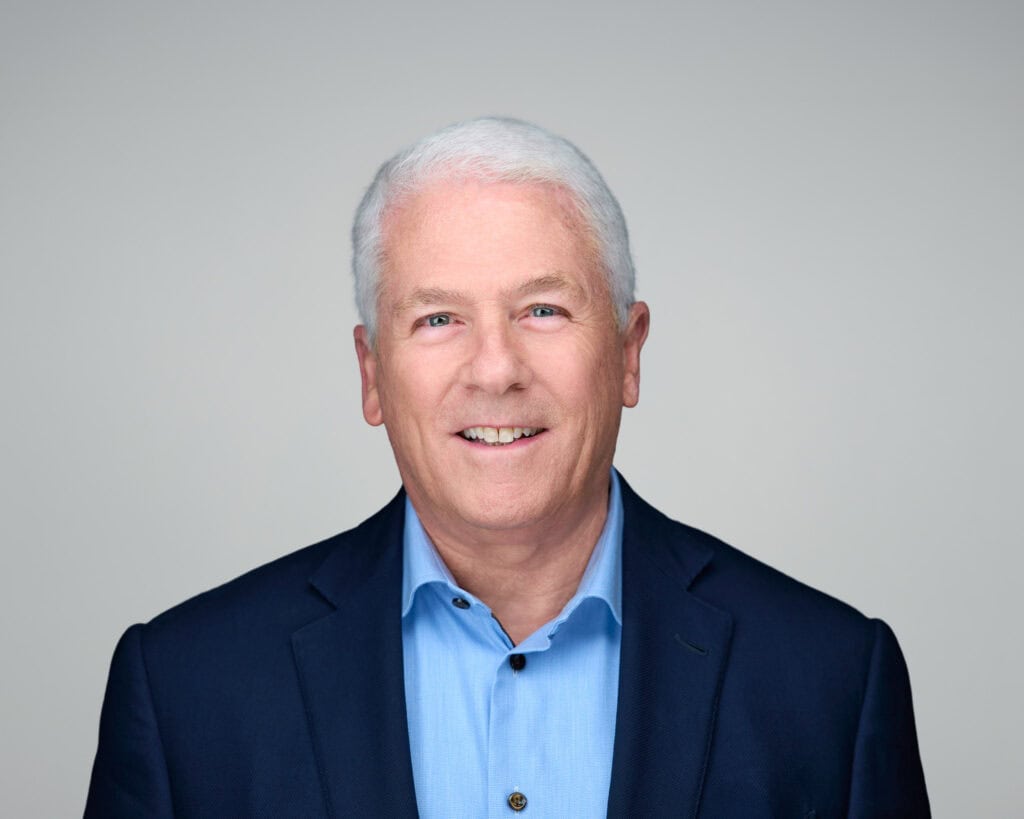
Paul Frey CFP®, CIMA®
Wealth Manager

Randy Holcombe CFP®
Wealth Manager

Jonathan Jordan
Wealth Manager

Sophia Kann CFP®
Wealth Manager

Kurt Kimmich AAMS®
Wealth Manager

Matt Kimmich CFP®
Wealth Manager
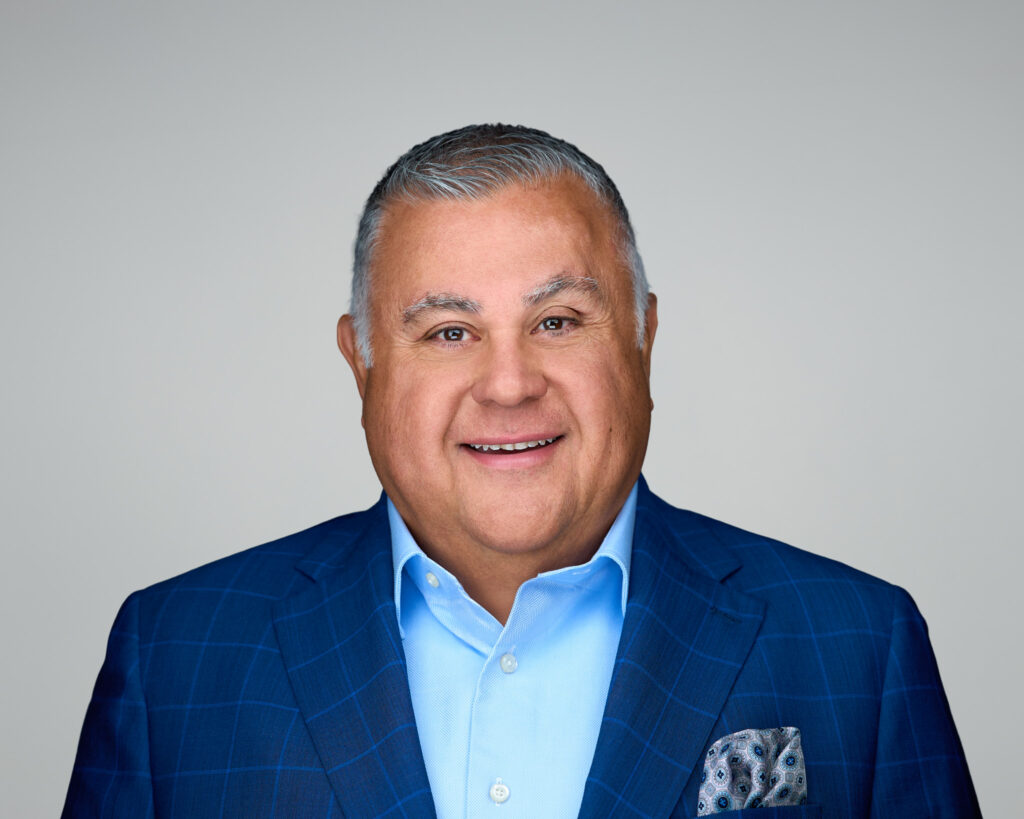
Chuck Kolias
Wealth Manager

Morgan Lee CFP®
Wealth Manager

Katie Montagazzi CFP®
Wealth Manager

Eric Montgomery CFP®
Wealth Manager

Jared Nicholson
Wealth Manager

Nick Proud CFP®
Wealth Manager

Brian Ripley
Wealth Manager

Scott Rogowicz
Wealth Manager
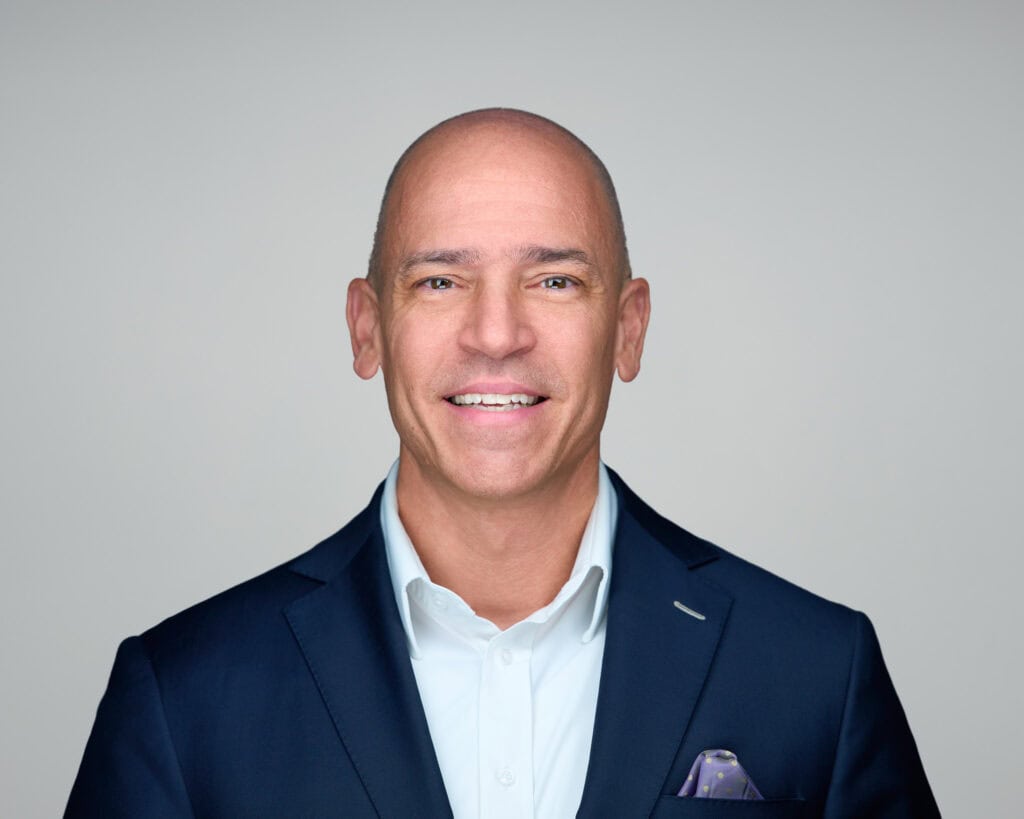
Neil Rongaus CFP®
Wealth Manager

Joe Tabaka CFP®
Wealth Manager

Mike Touscany CFP®
Wealth Manager

RJ Wingertsahn
Wealth Manager

Chuck Ziants CFP®
Wealth Manager

Brandon Beck
Wealth Manager

Tim Cashdollar CRC®
Wealth Manager
Is retirement planning right for you?
You may benefit from working with our team on retirement planning if:
- You want to know whether your current savings rate and account choices are on track for the retirement you have in mind, at any age
- You are within ten years of retirement and uncertain whether your current savings trajectory will sustain your lifestyle
- You have multiple retirement accounts, 401(k), IRA, Roth, pension, and no coordinated distribution strategy
- You are approaching required minimum distribution age and want to explore conversion strategies
- You have been successful in your career but are unsure how to translate that success into sustainable retirement income
- You and your spouse have different timelines or different visions for what retirement looks like

Request your Consultation
Complete the form below. A member of our team will reach out within one business day to schedule your complimentary 30-minute call.
FAQ

Frequently Asked Questions
When should I start planning for retirement?
Retirement planning can begin at any age, and the earlier you start coordinating your strategy, the more flexibility you may have. In the early and middle years of your career, planning centers on savings rates, account selection, and building tax diversification. Closer to your anticipated retirement date, the focus shifts to distribution approaches, Roth conversion strategies, and Social Security timing. Our team works to help you build a plan that adapts as your timeline becomes clearer.
How do I know if I have enough saved to retire?
Retirement readiness depends on more than a single number. Our retirement readiness assessment considers your income needs, anticipated expenses, tax situation, Social Security benefits, and how your assets are positioned. We work to help you understand not just whether you have enough, but how your resources can be coordinated to sustain your lifestyle over time.
What is the difference between retirement planning and investment management?
Investment management focuses on portfolio construction and market strategy. Retirement planning takes a broader perspective, coordinating your investments with your distribution strategy, tax plan, Social Security timing, estate considerations, and insurance coverage. We believe a well-managed portfolio can be most effective when it is part of a comprehensive retirement strategy.
How does Social Security timing affect my retirement plan?
When you claim Social Security can affect your monthly benefit amount, your tax situation, and your spouse's survivor benefits. Our team analyzes different claiming scenarios alongside your broader retirement income strategy to help you understand the trade-offs. The goal is to help you make this decision with full visibility into how it connects to your overall plan.
How often should my retirement plan be reviewed?
We typically recommend reviewing your retirement plan periodically, with additional reviews when notable life events occur or market conditions shift meaningfully. As you approach and enter retirement, reviews may become more frequent to help keep your distribution strategy, tax approach, and investment allocation aligned with your evolving circumstances.

Ready to Take the First Step?
Schedule your complimentary consultation today.