
Philanthropic Planning
Philanthropic planning helps families and individuals create a giving strategy that is intentional, tax-efficient, and coordinated with their estate and financial plans. At Confluence Financial Partners, we work with clients to explore meaningful giving strategies, whether through donor-advised funds, charitable trusts, family foundations, or direct giving, and integrate those decisions into a comprehensive approach that reflects both their financial goals and their values.

why philanthropic planning
Intentional giving may accomplish more than you expect
For many families, generosity is not an afterthought, it is a core part of how they think about wealth. But translating that intention into a giving plan that is thoughtful, tax-aware, and aligned with your broader financial picture takes more than good intentions. It takes a structured approach.

What meaningful, well-structured giving can accomplish
When giving is planned intentionally, families can direct resources to the causes that matter most to them in ways that reflect their values, reduce their tax burden, and create a model of generosity they can pass to the next generation. Without structure, even generous families can find their giving fragmented, reactive donations without a strategy, missed tax opportunities, and no clear expression of what they actually wanted their generosity to accomplish.

How we approach philanthropic planning
Giving as part of your financial plan: philanthropic strategy is not separate from wealth management; it is woven into your estate, tax, and investment plan. Exploring meaningful giving strategies: we work with you to identify the vehicles that match your intent: donor-advised funds, charitable remainder trusts, direct giving, or family foundations.
Tax-aware structuring: giving decisions have meaningful tax implications; we help you time and structure contributions to align with your broader tax strategy. Multi-generational intention: for families who want their values to outlast them, we help design giving frameworks that can be shared and carried forward.

our process

What working with our team looks like.
Values and priorities conversation
We begin by understanding what you want your philanthropy to accomplish and who it should benefit.
Financial context review
We map your giving capacity to your current financial plan, tax situation, and estate goals.
Vehicle analysis
We evaluate which giving vehicles align with your intent, timeline, and financial position.
Strategy design
We build a philanthropic plan that integrates with your estate plan and tax strategy.
Implementation and coordination
We work with your estate attorney and tax advisor to execute the plan effectively.
meet the team
Connect with a Wealth Manager
Our wealth managers are here to help guide philanthropic planning conversations.

Zachery Saunders AAMS®, CEPA®, CFP®, Ed.D.
Wealth Manager

Melissa Pirosko CFP®, MBA
Wealth Manager

Nathan Garcia CFP®, MBA
Wealth Manager

Samantha Sheetz CFP®, CDFA®, WFA
Wealth Manager

Dave Cashdollar CFP®
Wealth Manager

Brandon Corlett
Wealth Manager

Jackson Elizondo CFP®, CAP®
Wealth Manager

Loren Paul Fiffik CFP®
Wealth Manager
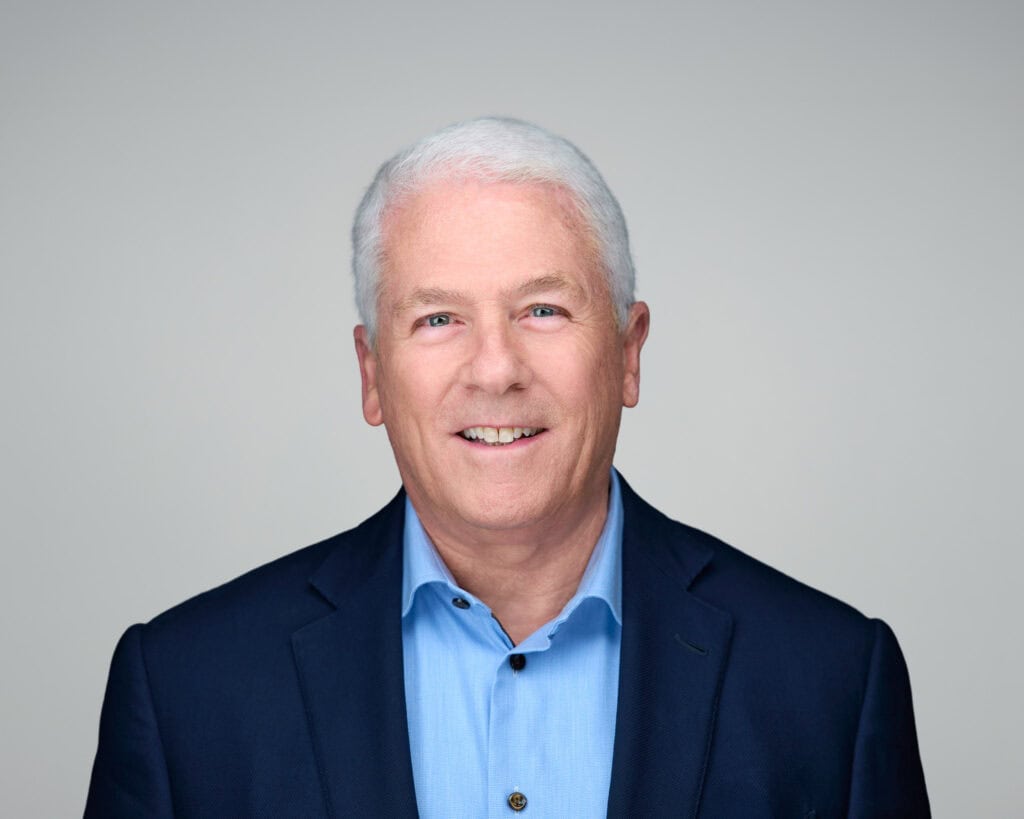
Paul Frey CFP®, CIMA®
Wealth Manager

Randy Holcombe CFP®
Wealth Manager

Jonathan Jordan
Wealth Manager

Sophia Kann CFP®
Wealth Manager

Kurt Kimmich AAMS®
Wealth Manager

Matt Kimmich CFP®
Wealth Manager
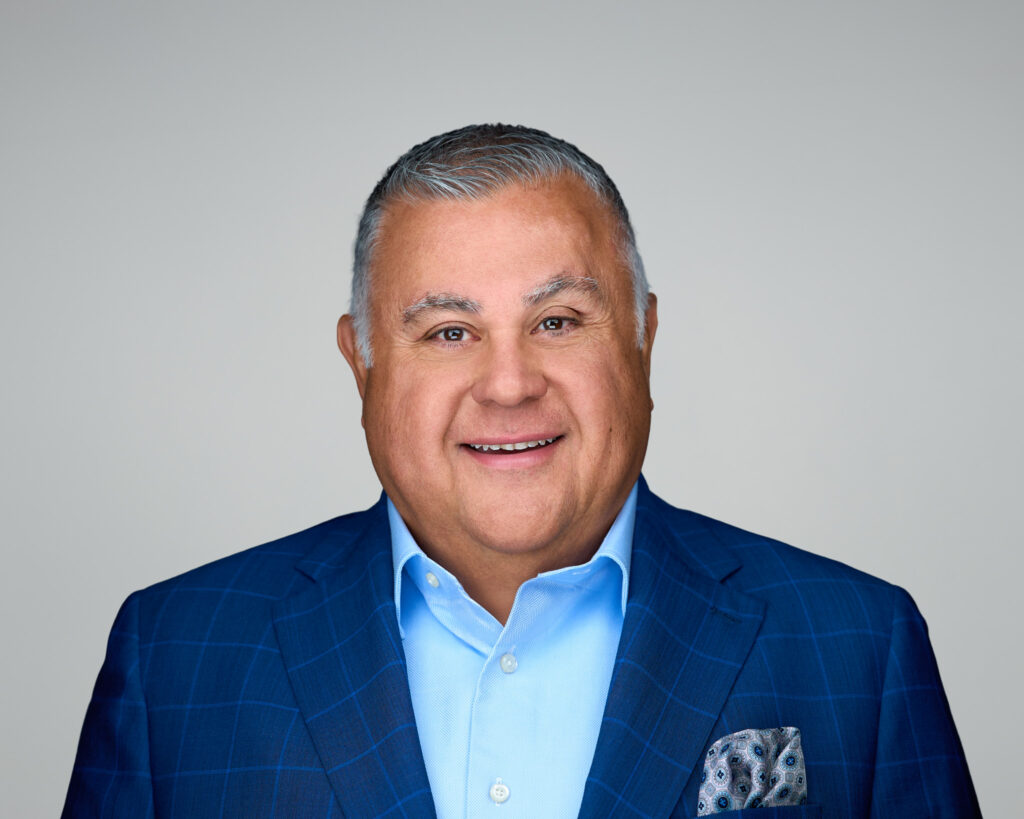
Chuck Kolias
Wealth Manager

Morgan Lee CFP®
Wealth Manager

Katie Montagazzi CFP®
Wealth Manager

Eric Montgomery CFP®
Wealth Manager

Jared Nicholson
Wealth Manager

Nick Proud CFP®
Wealth Manager

Brian Ripley
Wealth Manager

Scott Rogowicz
Wealth Manager

Neil Rongaus CFP®
Wealth Manager

Joe Tabaka CFP®
Wealth Manager

Mike Touscany CFP®
Wealth Manager

RJ Wingertsahn
Wealth Manager

Chuck Ziants CFP®
Wealth Manager

Brandon Beck
Wealth Manager

Tim Cashdollar CRC®
Wealth Manager
Is philanthropic planning right for you?
You may benefit from working with our team on philanthropic planning if:
- You want to give more intentionally and make sure your generosity is coordinated with your estate and tax plans
- You are interested in a donor-advised fund or charitable trust and want to understand which vehicle is right for your situation
- You have a cause or organization you care about deeply and want to create a structured, lasting relationship with it
- You want to involve your family in a shared giving strategy and need a framework for doing that
- You are in a high-income year and want to make a significant gift in a way that is tax-efficient

Request your Consultation
Complete the form below. A member of our team will reach out within one business day to schedule your complimentary 30-minute call.
FAQ

Frequently Asked Questions
What is philanthropic planning and how does it differ from charitable giving?
Philanthropic planning is a structured approach to giving, one that works to help coordinate your generosity with your estate plan, tax strategy, and financial goals. Charitable giving typically refers to individual acts of donation. Philanthropic planning takes a longer-term view: defining your giving objectives, selecting the right vehicles, and building a framework that reflects your values over time.
What is a donor-advised fund and how does it work?
A donor-advised fund (DAF) is a charitable giving account that allows you to make a tax-deductible contribution, invest those funds for potential growth, and recommend grants to qualified charities over time. DAFs are flexible, administratively simple, and can be particularly useful in high-income years when the tax benefit of a large contribution is most valuable.
How can philanthropic planning reduce my tax burden?
Charitable contributions can reduce taxable income in the year of the gift. Strategies like donating appreciated securities (avoiding capital gains tax), contributing to a donor-advised fund in a high-income year, or structuring a charitable remainder trust can each have meaningful tax implications. The specific benefit depends on your financial situation and how the strategy is structured.
Can a financial advisor help me set up a family foundation?
Yes. A financial advisor can help you evaluate whether a family foundation aligns with your giving objectives and financial capacity, and can work alongside your estate attorney to establish the foundation structure. Family foundations have administrative requirements and governance considerations that benefit from professional guidance.
How do I coordinate my giving with my estate plan?
Charitable giving and estate planning intersect in several important ways, through bequests, charitable remainder trusts, charitable lead trusts, and the inclusion of donor-advised fund accounts in estate documents. Coordinating the two helps your generosity reflect your intentions and that the tax implications are considered as part of your overall estate strategy.

Ready to Take the First Step?
Schedule your complimentary consultation today.