
Estate Planning
At Confluence Financial Partners, estate planning starts with the documents you already have. Our wealth planning team gathers your estate planning documents, organizes them, and produces a report that summarizes the provisions of your plan and highlights any inconsistencies we discover. We believe this review can help you know exactly what to raise with your estate attorney. Because this work sits inside your broader financial plan, the review also works to connect your documents to your investment strategy, beneficiary designations, and tax considerations.

why estate planning
Your estate is more than a collection of assets.
Your estate is more than a collection of assets. It is the financial expression of everything you have built, earned, and valued. For families with complex financial lives, the question is rarely whether to plan, but whether the plan they have still reflects who they are and what they want to leave behind.

Estate planning may matter more than you expect.
Without a current, coordinated estate plan, the courts and tax code, not your family, may determine what happens to everything you have built. Families who address estate planning proactively may reduce tax exposure, protect assets across generations, and provide clarity for the people they care about most. Estate planning gives you the power to define your legacy on your terms.

How we approach estate planning.
We start with the documents you already have. Our wealth planning team gathers your wills, trusts, powers of attorney, and beneficiary designations, organizes them, and produces a report that summarizes the provisions of your plan, including who inherits what, who holds authority, and how your assets are titled. We highlight any inconsistencies we discover along the way.
We do not practice law, and we do not draft legal documents. Our role is education and coordination. We work to help you understand what your plan actually says, flag the issues that may deserve attention, and provide a clear list of topics to discuss with your estate attorney. We revisit this work as your family and circumstances evolve.

our process

What working with our team looks like.
Document gathering
We collect your wills, trusts, powers of attorney, healthcare directives, and beneficiary designations in one place.
Organization and review
We organize the documents and read them against your current financial picture.
Summary report
You receive a plain-language summary of your plan’s provisions, with any inconsistencies highlighted.
meet the team
Connect with a Wealth Manager
Our wealth managers are here to help guide the estate planning conversation.

Zachery Saunders AAMS®, CEPA®, CFP®, Ed.D.
Wealth Manager

Melissa Pirosko CFP®, MBA
Wealth Manager

Nathan Garcia CFP®, MBA
Wealth Manager

Samantha Sheetz CFP®, CDFA®, WFA
Wealth Manager

Dave Cashdollar CFP®
Wealth Manager

Brandon Corlett
Wealth Manager

Jackson Elizondo CFP®, CAP®
Wealth Manager

Loren Paul Fiffik CFP®
Wealth Manager
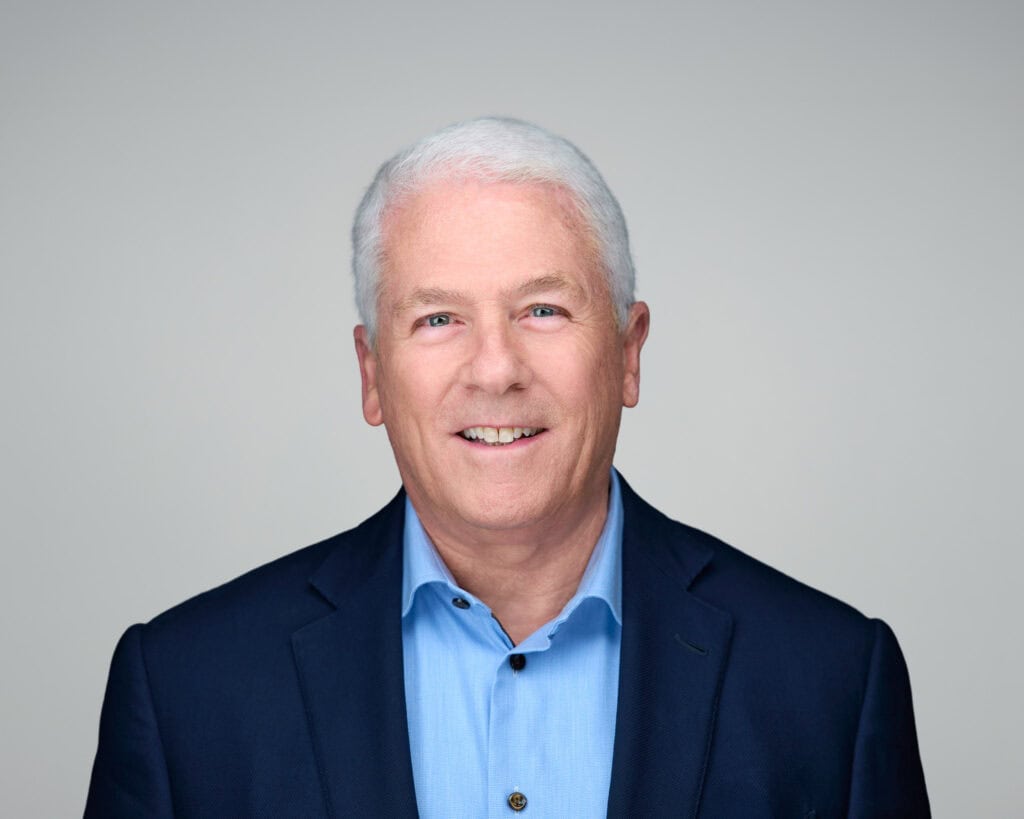
Paul Frey CFP®, CIMA®
Wealth Manager

Randy Holcombe CFP®
Wealth Manager

Jonathan Jordan
Wealth Manager

Sophia Kann CFP®
Wealth Manager

Kurt Kimmich AAMS®
Wealth Manager

Matt Kimmich CFP®
Wealth Manager
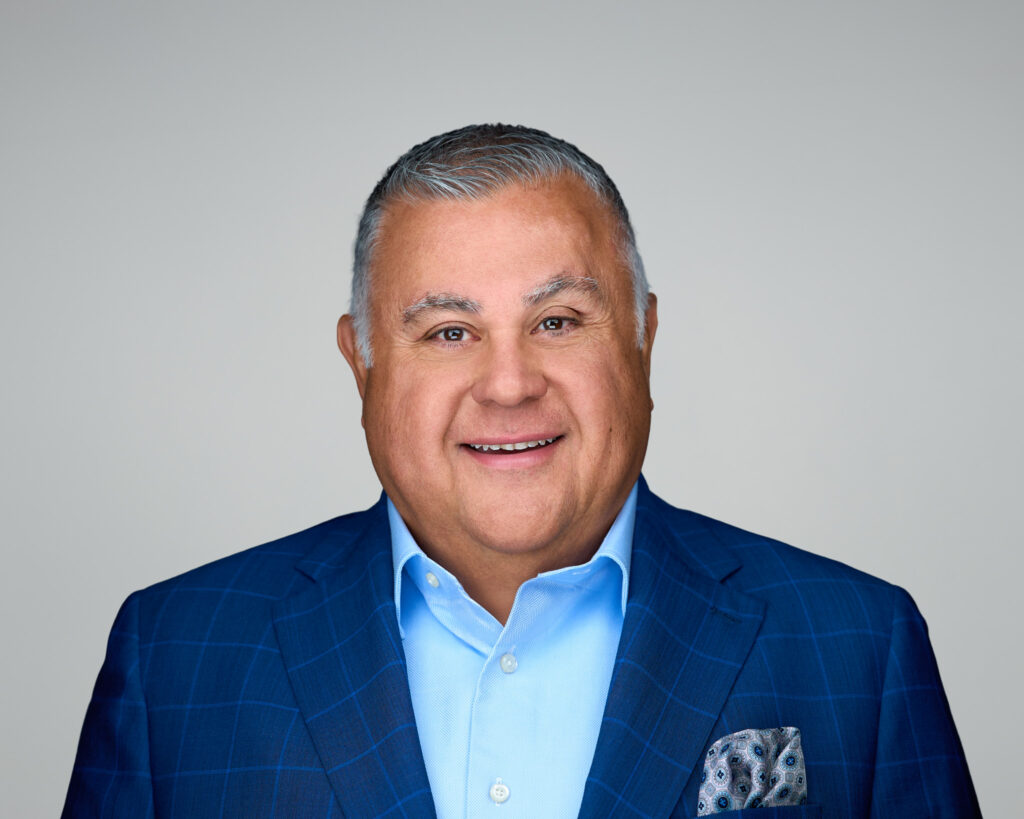
Chuck Kolias
Wealth Manager

Morgan Lee CFP®
Wealth Manager

Katie Montagazzi CFP®
Wealth Manager

Eric Montgomery CFP®
Wealth Manager

Jared Nicholson
Wealth Manager

Nick Proud CFP®
Wealth Manager

Brian Ripley
Wealth Manager

Scott Rogowicz
Wealth Manager
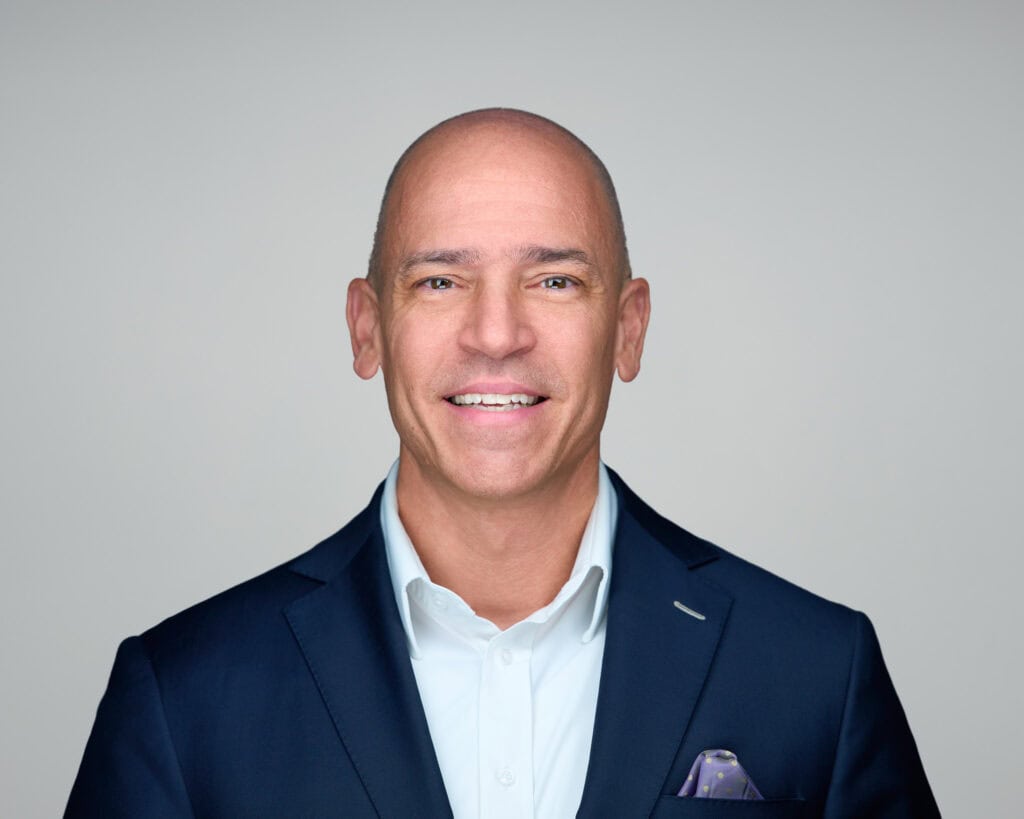
Neil Rongaus CFP®
Wealth Manager

Joe Tabaka CFP®
Wealth Manager

Mike Touscany CFP®
Wealth Manager

RJ Wingertsahn
Wealth Manager

Chuck Ziants CFP®
Wealth Manager

Brandon Beck
Wealth Manager

Tim Cashdollar CRC®
Wealth Manager
Is estate planning right for you?
You may benefit from working with our wealth planning team on estate planning if:
- Your estate documents have not been reviewed in five years or more
- You have assets in multiple states, business interests, or complex ownership structures
- You are navigating a blended family situation where legacy intentions require careful coordination
- You want to understand how your estate plan interacts with your tax strategy and charitable giving goals
- You have been putting off the conversation because the complexity feels overwhelming

Request your Consultation
Complete the form below. A member of our team will reach out within one business day to schedule your complimentary 30-minute call.
FAQ

Frequently Asked Questions
What does an estate plan typically include?
An estate plan typically includes a will, powers of attorney, healthcare directives, and trust structures as needed. At Confluence Financial Partners, we work to coordinate these documents with your broader financial strategy, including your investment accounts, beneficiary designations, and tax plan, so that every element reflects your intentions.
How often should an estate plan be reviewed?
We recommend reviewing your estate plan periodically, and especially after major life events, marriage, divorce, the birth of a grandchild, a significant change in assets, or a move to a new state. Tax law changes can also affect your plan. Our team monitors these factors and can help identify when updates may be needed.
What is the difference between estate planning and a will?
A will is one component of an estate plan, but a comprehensive approach typically extends beyond it. Estate planning may include trust structures, beneficiary designations, powers of attorney, healthcare directives, and coordination with your tax and investment strategy. The goal is to help keep your full financial picture aligned with your wishes.
How does estate planning affect my tax strategy?
Estate planning decisions may have significant tax implications, affecting income taxes, gift taxes, and estate taxes across generations. Our wealth planning team works to coordinate your estate strategy with your broader tax plan, so that transfer decisions are made with full visibility into their tax consequences.
When should I start thinking about estate planning?
Estate planning is relevant whenever you have assets, a family, or specific wishes about how your wealth should be managed if you are unable to manage it yourself. Many families find that starting the conversation earlier provides more flexibility to implement strategies, particularly those involving gifting, trust structures, or multi-generational planning.

Ready to Take the First Step?
Schedule your complimentary consultation today.